loading

Since 2005, POLYVA focuses on turnkey solution for water soluble film packaging machine.

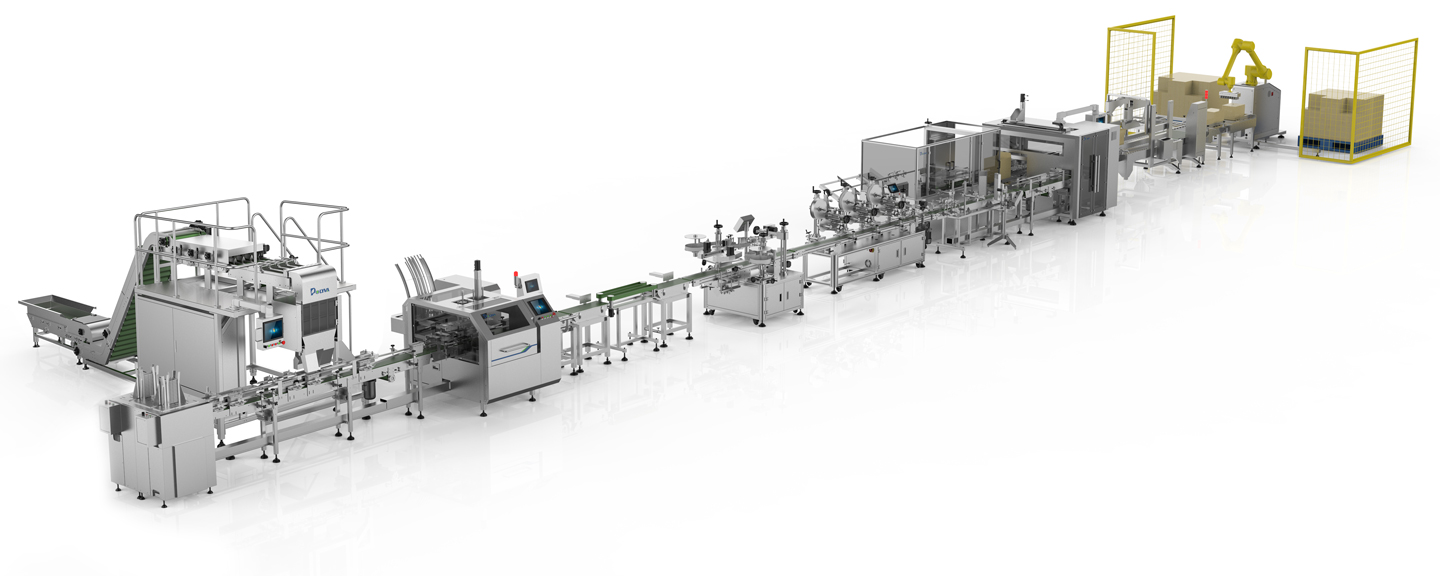
 Automated Water Soluble Film Packaging Machine Solutions
 Integrated Automation from Film Feeding to Finished Package Handling. 
Automated Water Soluble Film Packaging Machine Solutions
POLYVA provides automated water soluble film packaging solutions designed to coordinate packaging equipment, material handling, quality inspection, and downstream packaging processes. Instead of connecting individual machines without an overall plan, we develop system configurations based on product characteristics, packaging formats, target output, quality requirements, and factory layout. A typical automated workflow may include material loading, film feeding, forming, product dosing, sealing, cutting, inspection, conveying, counting, secondary packaging, and cartoning. Depending on the application, additional systems can be integrated to support material preparation, automatic feeding, package collection, and palletizing. Automation controls help coordinate machine operation, manage process parameters, and monitor production status across connected equipment. Sensors, PLC controls, and HMI interfaces can be configured to support machine synchronization and operator interaction. Inspection and data collection functions depend on the selected equipment and system design. By evaluating the entire production workflow, POLYVA helps manufacturers reduce unnecessary manual handling, improve process consistency, and establish a packaging line suited to their production goals. The final automation configuration is customized according to actual product, equipment, and facility requirements.

What Is Packaging Automation?

Packaging automation uses machinery, control systems, sensors, and material-handling equipment to perform packaging operations with reduced manual intervention. In water soluble film packaging, automation can cover film feeding, package forming, product dosing, sealing, cutting, inspection, conveying, counting, and downstream packing. Depending on the project, PLC controls, HMI interfaces, sensors, and inspection devices can coordinate individual machines and help operators monitor production. The level of automation varies with product requirements, target output, equipment configuration, and investment priorities.

From Raw Materials to Finished Packages: The Automated Workflow

Material Loading
Supplies packaging materials and product ingredients to the production system.
Film Feeding
Feeds and positions the PVA film at a controlled speed.
Forming
Shapes the film into the required pouch or cavity.
Filling
Delivers the specified quantity of product into each package.
Sealing
Joins film layers to enclose the product.
Cutting
Separates the sealed packages into individual units.
Inspection
Checks selected quality parameters according to system configuration.
Conveying
Transfers finished packages between connected stations.
Counting
Groups packages according to predefined quantities.
Secondary Packaging
Places individual packages into suitable outer packaging.
Cartoning
Loads products into cartons when required.
Palletizing
Arranges finished cartons for storage and shipment where automated palletizing is included.

Build the Right Packaging Automation System

1
Product Type
Liquid, Powder, Granules and Other Compatible Products. Select suitable dosing, feeding, and handling systems according to product properties.
2
Packaging Format
Pods, Pouches, Bags, Bottles and Cartons. Configure the packaging process and downstream equipment to match the required format.
3
Production Capacity
Small-Batch, Medium-Volume and High-Volume Production. Determine machine speed, equipment quantity, and line balance according to target output.
4
Automation Level
Semi-Automatic, Automated Packaging Cells, Integrated Production Lines. Choose an automation level that matches operational needs and investment priorities.
5
Quality Requirements
Dosing Checks, Visual Inspection, Seal Inspection and Package Counting. Select suitable quality-control equipment based on defined acceptance criteria.
6
Secondary Packaging
Counting, Collection, Bagging, Cartoning and Case Packing. Integrate downstream systems where required.
7
Factory Layout
Available Floor Space, Material Flow, Operator Access and Maintenance Clearance. Plan equipment positioning and material routes to support efficient operation.

Packaging Automation Improve Production Efficiency

1
Reduce Manual Operations
Automate repetitive feeding, counting, transferring, and selected inspection tasks to reduce routine manual handling.
2
Improve Production Consistency
Coordinate dosing, sealing, and cutting parameters to support repeatable packaging performance.
3
Reduce Material Waste
Use appropriate dosing controls and stable process settings to help minimize overfilling, film damage, and packaging defects.
4
Improve Quality Control
Integrate suitable online inspection and monitoring functions to identify selected defects during production.
5
Long-Term Technical Support
After delivery, POLYVA continues to provide technical assistance, troubleshooting guidance, and maintenance support to help customers maintain stable operations.
Packaging Automation
by Production Requirement
Small-Batch Production
Flexible configurations, straightforward operation, and easier product changeovers.
Medium-Volume Production
Coordinated dosing, packaging, conveying, and counting systems for stable output.
High-Volume Production
Higher-speed packaging equipment, synchronized material handling, and integrated downstream packing.
Fully Automated Production
An integrated line combining automated feeding, packaging, inspection, conveying, counting, secondary packaging, and other required functions. Fully automated systems may also incorporate cartoning and palletizing where appropriate.
Packaging Automation Project Workflow
Identify product characteristics, target output, packaging format, and factory conditions.
Assess product compatibility and suitable PVA film specifications.
Define the packaging workflow and required automation functions.
Select packaging equipment, dosing systems, and auxiliary machines.
Plan equipment placement, material flow, operator access, and maintenance space.
Coordinate controls, sensors, conveying, inspection, and downstream equipment.
Verify equipment operation and agreed project parameters before delivery.
Provide installation coordination or technical guidance according to the project scope.
Support parameter adjustment, line coordination, and trial production.

FAQs About Packaging Automation Solutions

1
What Is a Packaging Automation Solution?
A packaging automation solution integrates machinery, control systems, and conveying equipment to connect feeding, forming, filling, sealing, cutting, inspection, counting, and secondary packaging into a continuous process.
Automated operation and parameter-based control reduce manual variation, improve product consistency, and enable production data recording and traceability. Automation can range from individual automated operations to fully integrated production lines, depending on capacity targets and budget.
2
Which Packaging Processes Can Be Automated?
Typical automated processes include:
Automatic Film Feeding → Forming → Filling → Sealing → Cutting → Inspection → Counting → Conveying → Secondary Packaging
Complete lines can also integrate automatic material feeding, product inspection, bagging, cartoning, case packing, and palletizing. Customers can implement a complete line at once or expand automation gradually.
3
How Does an Automated Packaging Line Operate?
An automated line consists of coordinated functional modules operating according to preset parameters. Products and packaging materials enter the line and pass through forming, filling, sealing, cutting, and inspection. The control system synchronizes equipment speeds and production cycles for continuous operation.
4
Can Water-Soluble Film Packaging Machines Be Integrated with Secondary Packaging Equipment?
Yes. Packaging machines can be connected to counting, conveying, bagging, and cartoning equipment according to the final packaging format.
Successful integration requires compatible interfaces, consistent product transfer, unobstructed conveying, and synchronized operating speeds. POLYVA plans these requirements during line design to achieve continuous operation between primary and secondary packaging.
5
How Do Packaging Machines Synchronize Their Operations?
Machines coordinate through control systems, sensors, and conveying mechanisms. The system adjusts operating speeds according to machine status, product position, and production rate.
When an abnormal condition occurs, configured functions can trigger alarms, stop the line, or reject defective products, helping reduce operational conflicts between equipment.
6
What Determines the Level of Packaging Automation?
Key factors include:Target production capacity, Product type and dosage, Packaging specifications, Labor costs, Inspection requirements、Changeover frequency, Upstream and downstream equipment, Factory space, nvestment budget
The appropriate automation level depends on each customer's production scale and operational requirements.
7
Can Packaging Automation Systems Be Customized?
Yes. Automation systems can be configured according to product characteristics, packaging specifications, target capacity, factory layout, and connected equipment. Equipment combinations, conveying methods, inspection modules, and secondary packaging systems can be customized to meet specific production needs.
8
What Is the Difference Between a Standalone Packaging Machine and a Complete Packaging Line?
A standalone machine performs one or several core operations, such as forming, filling, sealing, or cutting.
A complete packaging line connects multiple machines and processes, from material feeding to finished-product inspection and secondary packaging. It generally offers greater automation and process coordination, with the configuration determined by actual production requirements.
Planning an Automated
Water Soluble Film Packaging Line? 

 Tell us about your product, packaging format, target output, and automation requirements. POLYVA can help you evaluate the production workflow and develop an integrated packaging solution tailored to your application.

Contact Us

FOSHAN POLYVA MATERIALS CO., LTD.(Türkiye Office)

Authority: Muhammet Ali ACAR

Email: macr@polyva.cn 

Contact:+905557526858 

Address:Köseler, Kocaeli KOB Organize San. District, 25. St. No:6 Floor: 1 41455 Dilovası/Kocaeli 

Copyright © 2026 POLYVA Water Soluble Packaging Machine | Sitemap | Privacy Policy
Product Lives
Customer service